PROUDLY CANADIAN
 

Water Treatment Basics

CONTENTS

  1. This Page : Water Basics
  2. Water Sources
  3. Water Contaminants
  4. Water Softeners
  5. Iron Filters
  6. UV Systems
  7. Reverse Osmosis Systems

1. WATER BASICS

Water Facts
  • Water is called a UNIVERSAL SOLVENT because it dissolves part or all of almost anything it comes into contact with, including metals, rocks and gases.
  • Water does not exist as “PURE WATER” naturally.
  • It always carries some dissolved substances with it, even in extremely small quantity.
  • Things we don’t want to be present in water are called CONTAMINANTS.
  • What we call a contaminant depends on how we are using the water.

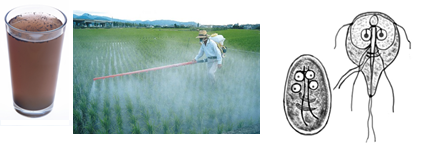
Types of Contaminants

  • Suspended
    • Dirt, rust, sand, etc.
  • Dissolved
    • Aesthetic – Smell, taste, odour, colour, etc.
    • Health – Pesticides, PFAS, heavy metals
  • Microbiological
    • Bacteria, viruses, cysts

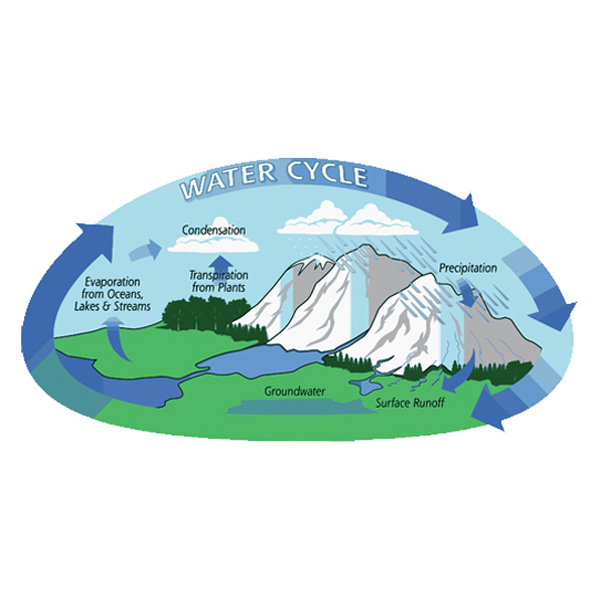
The Water Cycle – Ground Water

  • Below the Earth’s surface lie minerals such as iron, limestone, manganese, etc.
  • When rainwater falls, it picks up carbon dioxide from the atmosphere, forming CARBONIC ACID.
  • When rainwater seeps into the Earth, the carbonic acid helps dissolve minerals that are present below the surface. This is why water from deep wells is generally high in dissolved impurities.
  • Water that directly falls into lakes, rivers, etc., does not dissolve minerals. Therefore, lakes and rivers generally have low mineral content.
  • Water from “runoff” picks up sand, mud, silt, dirt, etc., before flowing into lakes, ponds, rivers, etc.

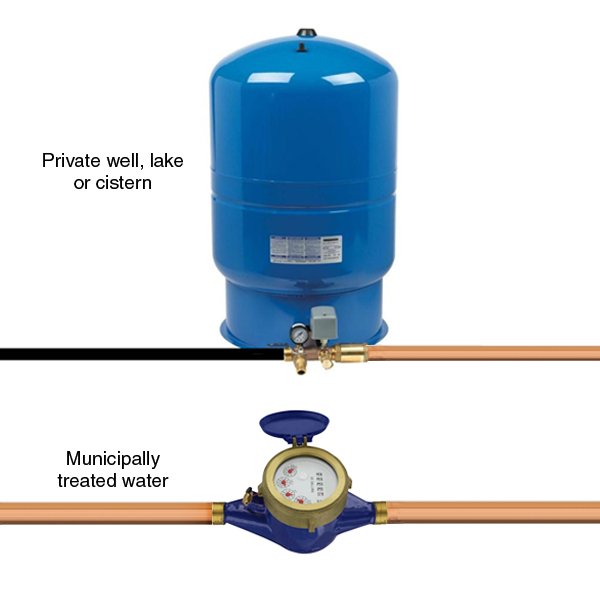
Where do we get our water from at home
  • Municipally treated (if you get a water bill):
    • Treated at a central treatment facility
    • Pumped through pipes into homes
    • Homes on MT water will have a water meter
  • Well or lake:
    • Private drilled or dug wells, cistern, lake, etc.
    • Pumped into the home by a private pump
learn about water treatment
Go to RESIDENTIAL HOME Page
NEXT : Water Contaminants